
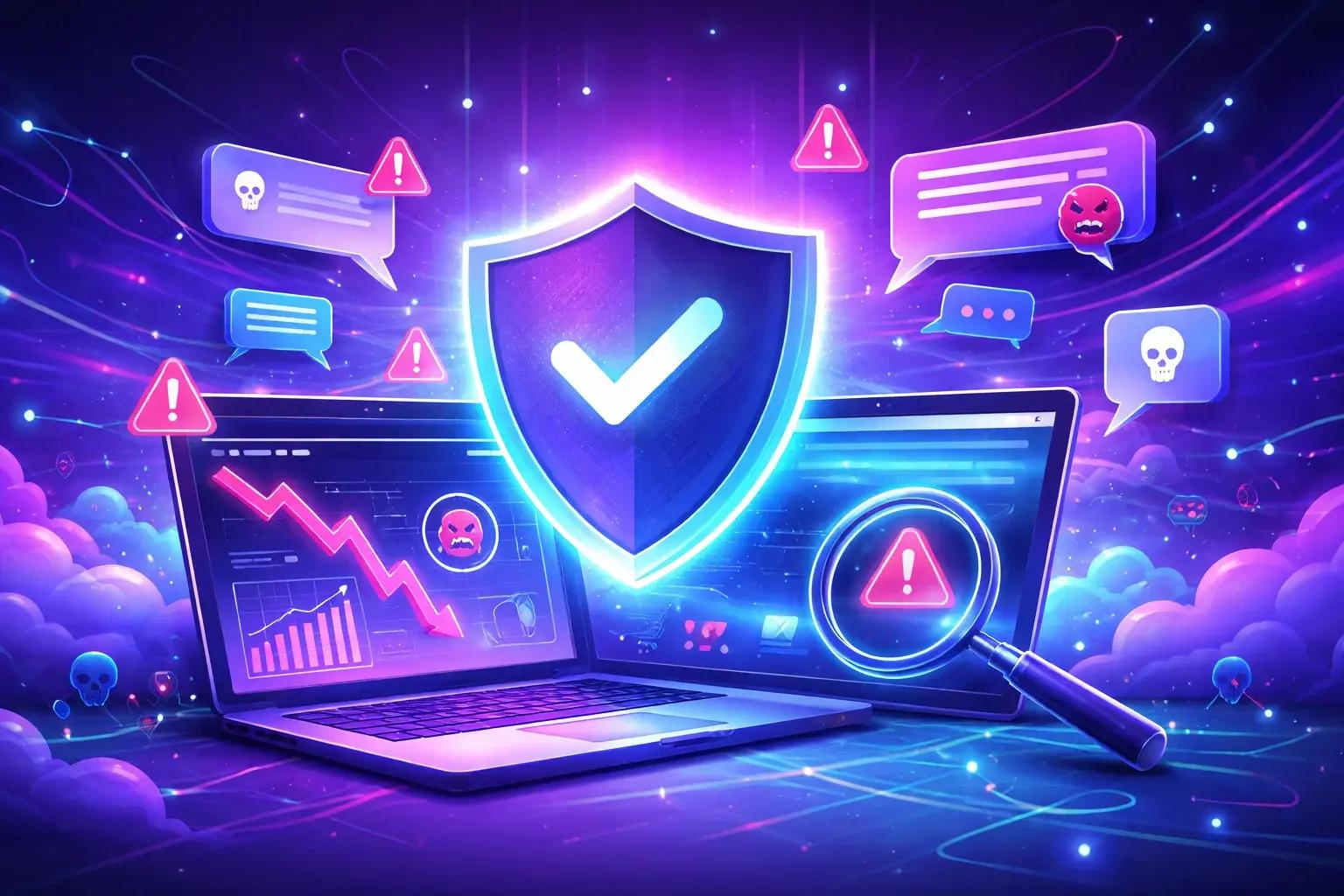
Navigating the Storm: A Master Guide to Managing Online Reputation Crises
In the digital age, a brand's reputation is its most valuable, yet most vulnerable, asset. A single misstep, a viral complaint, or an unforeseen event can ignite an online firestorm, threatening to erode years of trust and investment in mere hours. The speed at which information, both accurate and misleading, propagates across social media, review sites, and news platforms demands an immediate, strategic, and expert response. Ignoring the early warning signs or reacting impulsively can amplify the damage, turning a manageable incident into an existential threat.
Understanding the anatomy of an online reputation crisis is the first step toward effective mitigation. These aren't just PR blips; they are complex challenges requiring a multi-faceted approach that spans technical SEO, nuanced communication, and deep psychological insight into public perception. The stakes are incredibly high, impacting not only sales and customer loyalty but also talent acquisition, investor confidence, and long-term brand equity. Proactive preparation and a robust crisis management framework are no longer optional—they are foundational to sustained success.
This guide provides a comprehensive, expert-driven framework for anticipating, responding to, and recovering from online reputation crises. We will delve into the critical steps, strategic considerations, and tactical maneuvers necessary to protect your brand, restore trust, and emerge stronger from adversity. From preemptive monitoring to post-crisis analysis, every phase is crucial in safeguarding your digital footprint and ensuring your brand's resilience in an interconnected world.
Understanding the Online Reputation Crisis Landscape
An online reputation crisis manifests when negative sentiment or information about an individual or organization rapidly spreads across digital channels, significantly impacting public perception and potentially leading to tangible business harm. These crises can originate from various sources, including:
- Customer Service Failures: A single negative interaction shared online can quickly escalate.
- Product/Service Defects: Widespread complaints about quality or safety issues.
- Ethical Lapses: Allegations of misconduct, discrimination, or corporate irresponsibility.
- Employee Misconduct: Actions of staff members reflecting poorly on the organization.
- Data Breaches: Compromise of sensitive customer or company information.
- Misinformation/Disinformation: False or misleading narratives intentionally or unintentionally spread.
- Social Media Backlash: Controversial posts or campaigns sparking widespread outrage.
The key differentiator for an "online" crisis is its rapid virality and the difficulty of containment. Unlike traditional media, digital content is persistent, searchable, and can be amplified by algorithms and user shares, making a structured response imperative.
Phase 1: Proactive Preparation and Prevention
The most effective crisis management begins long before a crisis hits. Establishing a robust preventative framework is crucial for minimizing impact and enabling a swift, coordinated response.
Develop a Comprehensive Crisis Management Plan
This document should outline roles, responsibilities, communication protocols, and escalation procedures. Key components include:
- Designated Crisis Team: Identify core members (PR, Legal, Marketing, IT, Senior Leadership) and their specific roles.
- Communication Protocols: Define who speaks, what channels are used, and approval processes for all external communications.
- Scenario Planning: Brainstorm potential crisis scenarios relevant to your industry and develop preliminary response strategies for each.
- Contact Lists: Maintain up-to-date contact information for key internal stakeholders, legal counsel, and external PR support.
Implement Robust Online Monitoring
Early detection is paramount. Utilize advanced monitoring tools to track brand mentions, keywords, industry trends, and sentiment across all relevant digital platforms.
- Social Listening Tools: Monitor social media for mentions, hashtags, and sentiment shifts.
- Review Site Monitoring: Track platforms like Google My Business, Yelp, TripAdvisor, and industry-specific review sites.
- News and Blog Monitoring: Keep an eye on traditional and digital news outlets, as well as influential blogs.
- Dark Web Monitoring: For highly sensitive brands, consider monitoring for data breaches or targeted attacks.
Build a Strong Digital Foundation
A positive online presence acts as a buffer against negative sentiment. Proactively build and maintain a strong, positive digital footprint.
- Optimize Owned Media: Ensure your website, blog, and official social media profiles are rich with positive, authoritative content.
- Encourage Positive Reviews: Implement strategies to solicit genuine positive reviews from satisfied customers.
- Engage Proactively: Regularly interact with your audience on social media, demonstrating responsiveness and transparency.
- SEO for Positive Content: Optimize positive brand content to rank highly for relevant search queries, pushing down potentially negative results.
Phase 2: Immediate Response and Containment
When a crisis erupts, speed, accuracy, and empathy are critical. The initial hours can dictate the trajectory of the entire event.
Activate the Crisis Team
Upon detection, immediately convene your designated crisis team. Rapid assessment is key.
- Verify Information: Distinguish between rumors and factual incidents. Do not react to unverified claims.
- Assess Severity: Determine the potential impact on reputation, operations, and legal standing.
- Identify Root Cause: Understand what happened and why, to inform your response.
Craft a Unified Message
Consistency is vital. Develop a clear, concise, and empathetic message that addresses the situation without speculation.
- Acknowledge the Situation: Show you are aware and taking it seriously.
- Express Empathy: If applicable, apologize sincerely for any harm or distress caused.
- State Facts Clearly: Provide accurate information, avoiding jargon or defensiveness.
- Outline Next Steps: Inform stakeholders about what actions you are taking to resolve the issue.
- Designate a Spokesperson: All official communications should come from a single, authorized voice.
Choose Appropriate Communication Channels
Select channels that reach your affected audience most effectively and allow for controlled messaging.
- Official Website/Blog: For detailed statements and updates.
- Social Media: For quick, concise updates and direct engagement, but with caution.
- Email Communications: For direct outreach to customers, partners, or employees.
- Press Releases: For broader media dissemination, if warranted.
Engage Thoughtfully on Social Media
Social media is often the epicenter of an online crisis. Strategic engagement is crucial.
- Do Not Delete Comments (Unless Illegal/Spam): Deleting comments can fuel accusations of censorship. Address them directly or redirect.
- Respond Promptly and Consistently: Acknowledge concerns, even if you don't have all answers immediately.
- Move Conversations Offline: For complex or sensitive issues, offer to connect via private message, email, or phone.
- Avoid Argumentative Responses: Maintain a professional, empathetic tone, even when faced with aggressive criticism.
Phase 3: Recovery, Monitoring, and Long-Term Strategy
Once the immediate storm subsides, the focus shifts to reputation repair, sustained monitoring, and learning from the experience.
Implement Corrective Actions
Demonstrate a genuine commitment to addressing the root cause of the crisis.
- Fix the Problem: Implement necessary changes to products, services, or internal processes.
- Communicate Actions Taken: Inform the public about the steps you've taken to prevent recurrence. Transparency builds trust.
Rebuild and Restore Trust
This is a long-term endeavor requiring consistent effort and positive engagement.
- Generate Positive Content: Actively publish positive news, customer success stories, and thought leadership content to re-establish a positive narrative.
- Engage Influencers: Partner with trusted voices to help share your positive story.
- Solicit Feedback: Actively seek customer feedback and demonstrate that you are listening and responding.
- SEO for Reputation Repair: Create new, high-quality content optimized to rank for brand-related keywords, pushing down negative search results. This includes press releases, blog posts, and positive media coverage.
Continuous Monitoring and Analysis
The crisis may be over, but vigilance remains essential.
- Sustained Monitoring: Continue to track online sentiment and mentions to detect any lingering issues or new threats.
- Performance Review: Analyze the effectiveness of your crisis response. What worked? What didn't?
- Update Crisis Plan: Incorporate lessons learned into your crisis management plan for future preparedness.
Key Takeaways for Effective Online Reputation Crisis Management
Managing an online reputation crisis is a demanding but navigable challenge. Success hinges on a blend of strategic foresight, rapid response, and unwavering commitment to transparency and empathy. Brands that approach these situations with a well-defined plan and a human-centric approach are not only more likely to mitigate damage but can also emerge with enhanced credibility and stronger customer loyalty.
Remember, the digital landscape is unforgiving of unpreparedness. Invest in proactive measures, empower your crisis team, and prioritize clear, honest communication. Your brand's resilience in the face of adversity is a testament to its strength and integrity.